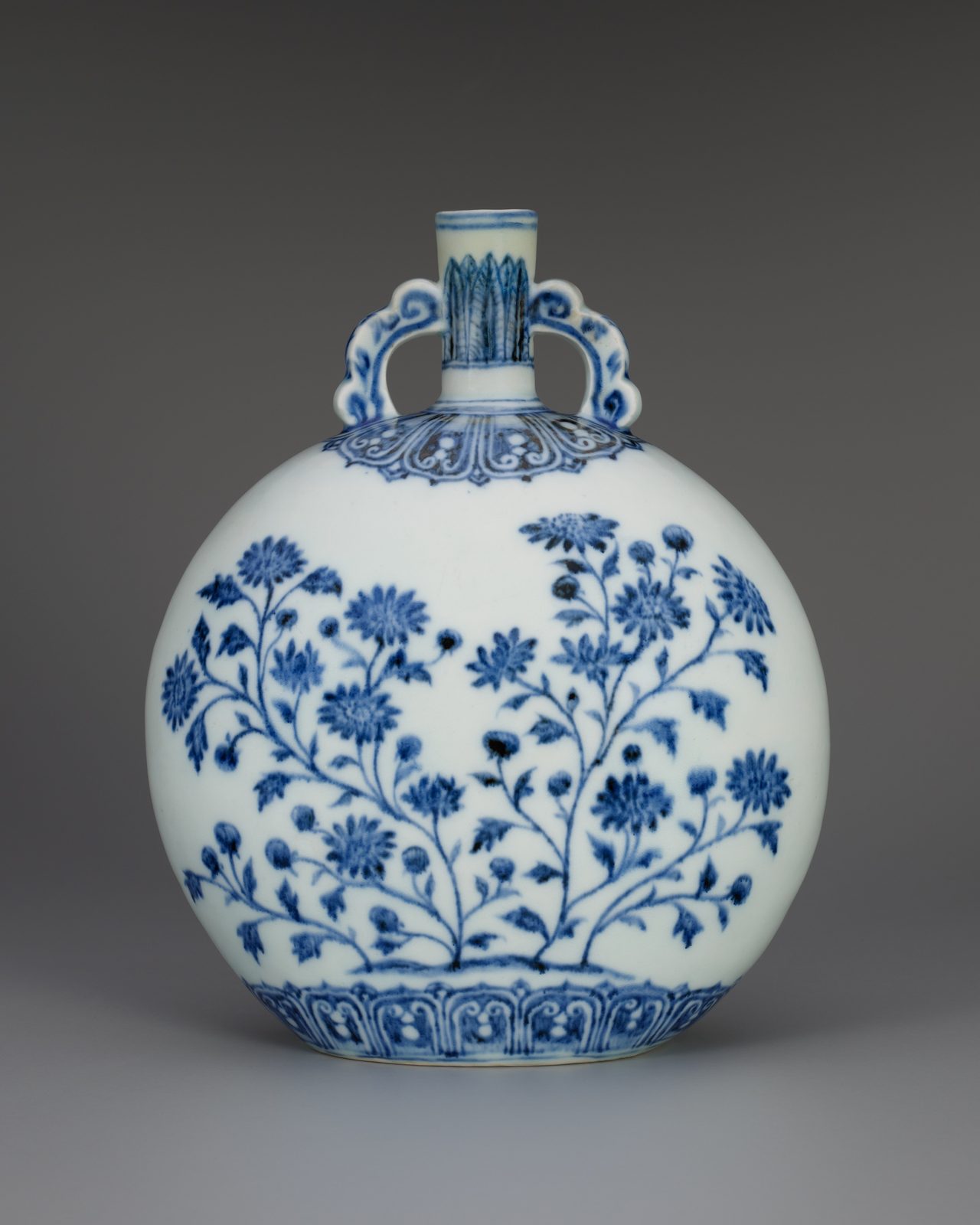
明 · 中国 · 本土/输入. Yongle moon flask; Islamic metalwork-derived form and Chinese blue-and-white technology, central Ming China local-absorption evidence.
Independent Research Portfolio
A millennium-scale study of how ceramic objects carried materials, rituals, technologies, and imagined worlds across China, Middle East / West Asia, and Europe.
This project compares three regions, three ceramic roles, and five visual-material dimensions in one matrix—an approach designed to move beyond single-route output histories.
Research Question
When I was a child, porcelain did not first appear to me as an academic subject. It appeared as an enchanting mystery: how could a fragile object carry so much of a civilization inside it? A bowl could be plain and still feel ceremonial; a blue line could suggest trade routes, minerals, and stories of the craftsmen.
I began with one question: how has China developed such an early and enduring ceramic tradition? But the question soon widened beyond China itself. The more I looked, the less porcelain seemed like a national cultural possession. Cobalt travelled before it became known as blue-and-white. Islamic metalwork reappeared as Chinese porcelain form. European courts collected, mounted, imitated, and eventually remade the materials they once could only input. What began as childhood wonder became a research problem: how do objects preserve cultural identity while absorbing the world around them?
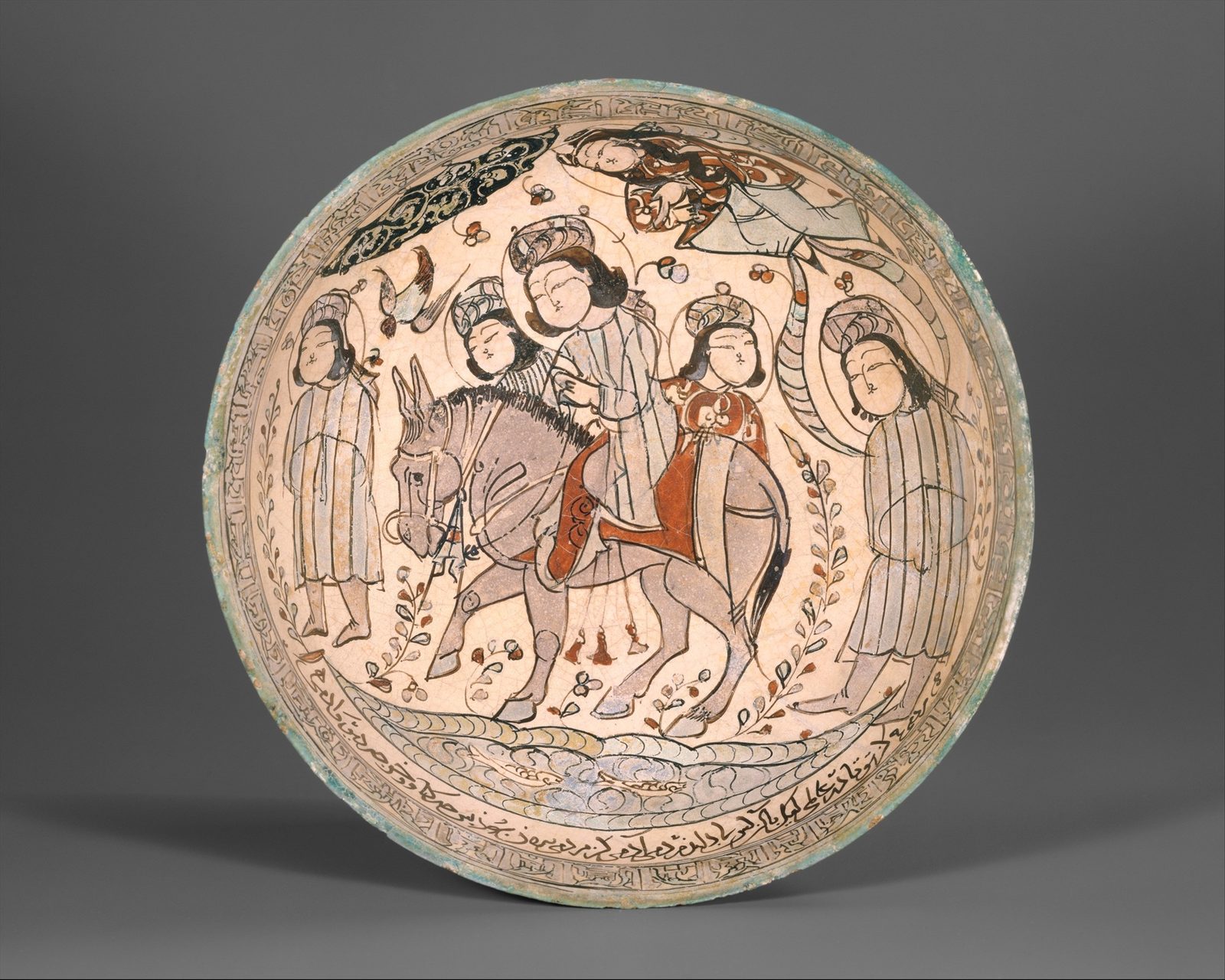
Core Evidence
I collected 148 scored core samples and evaluated them based on 18 datasets across three regions, three roles, and two periods, for an ultimate goal of tracing whether cross-regional ceramic fusion continued to intensify from Song-Yuan precedents, or changed its direction. The quantitative result demonstrates that the Ming-era ceramic exchange still bears strong influences from the Middle East and West Asia, while Qing-era exchange shifts toward a direct China-Europe axis.
For China, the Ming period shows deep absorption of Islamic materials and forms. Persian cobalt (Sumali blue), Islamic metalwork prototypes such as moon flasks, and arabesque or geometric motifs entered Jingdezhen’s decorating techniques. By the Qing, earlier Islamic elements had been internalized, which incentivized ceramic output toward Europe in products containing Western dining forms, famille rose palettes, rococo compositions through the modern Guangdong province.
In the Qing dynasty, ceramic exchange underwent a shift: the primary axis of cross-cultural circulation moved away from the historic Middle Eastern/West Asian intermediary network toward direct China–Europe trade. Having fully internalized earlier Islamic stylistic influences, Chinese porcelain production increasingly catered to European tastes, while the Middle East and West Asia lost their historic role as the critical hinge of global ceramic exchange.
明 · 中国 · 本土/输入. Yongle moon flask; Islamic metalwork-derived form and Chinese blue-and-white technology, central Ming China local-absorption evidence.
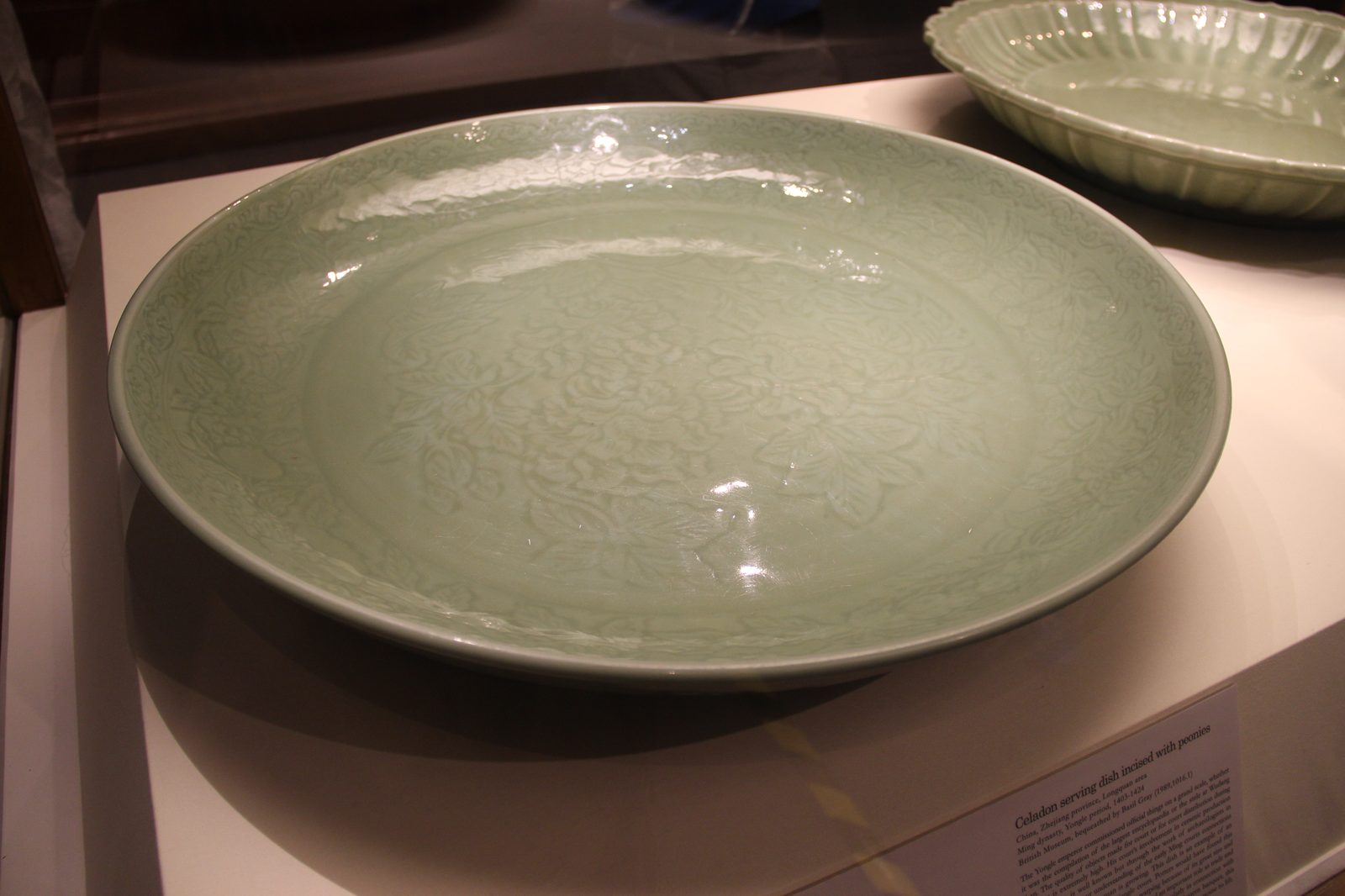
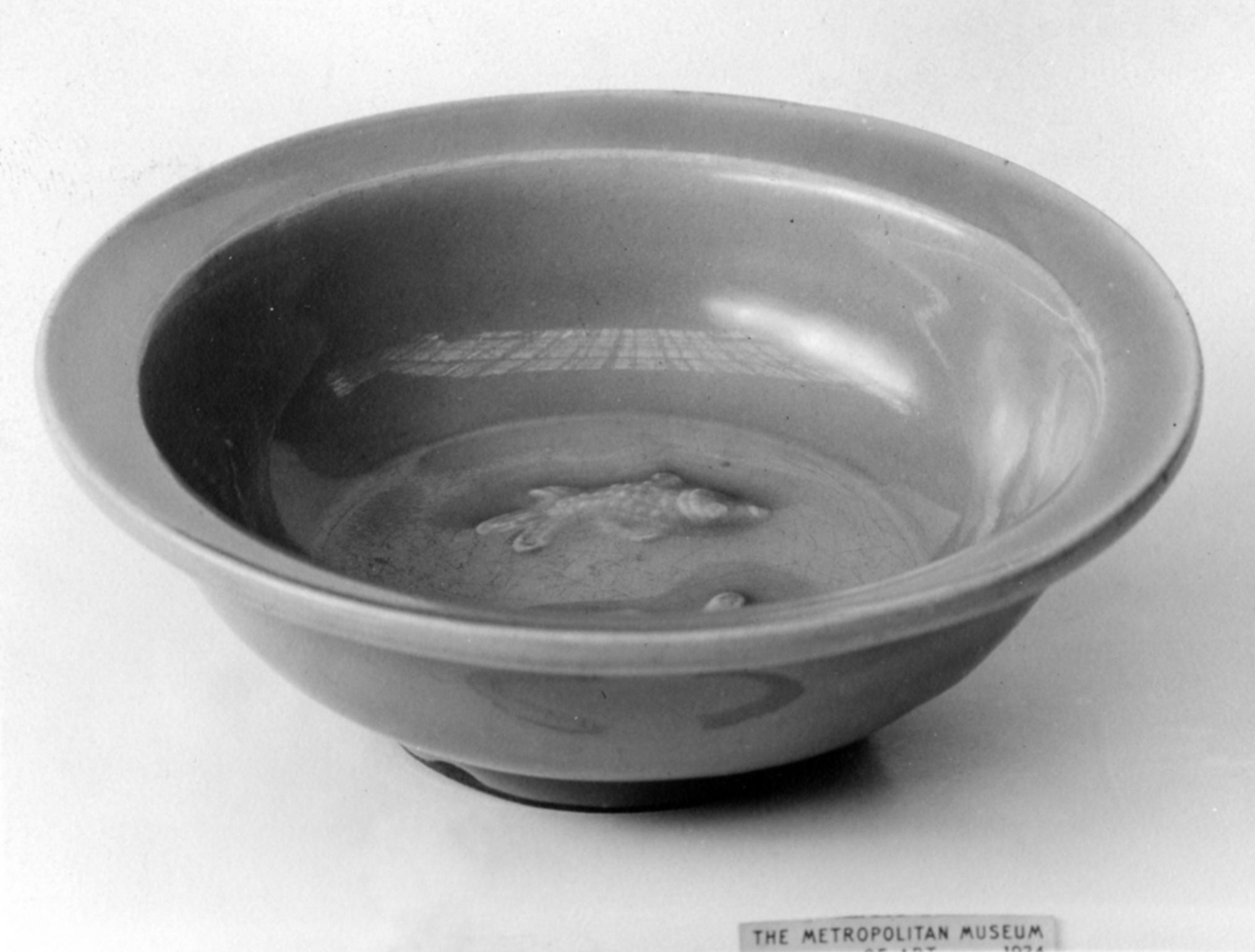
明 · 中国 · 本土. Ming Longquan celadon dish; Chinese monochrome/court taste continuity beside blue-white fusion.
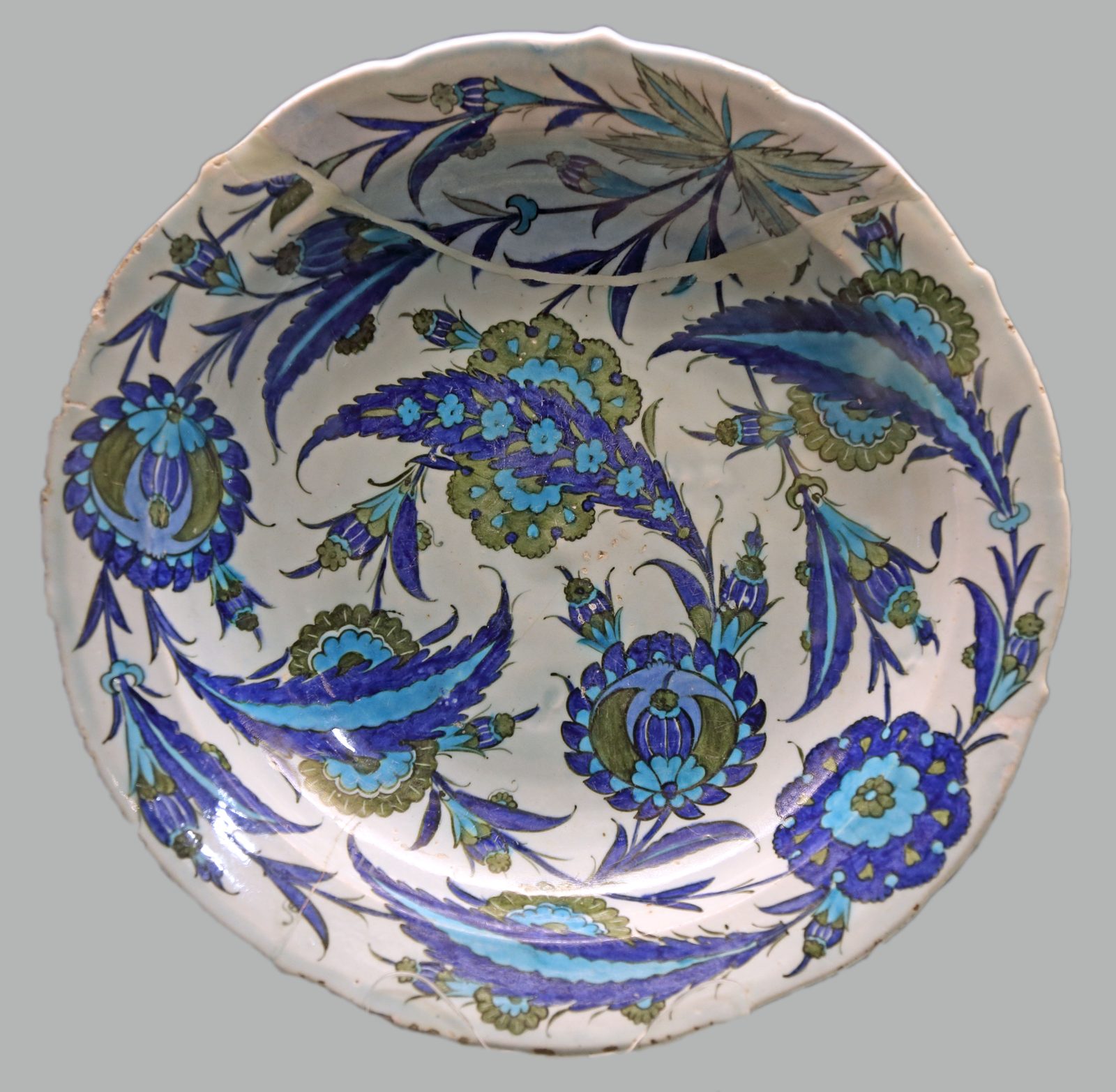
明 · 中东/西亚 · 本土/input from China. Iznik dish; Ottoman translation of Chinese blue-and-white into West Asian floral/brush systems.
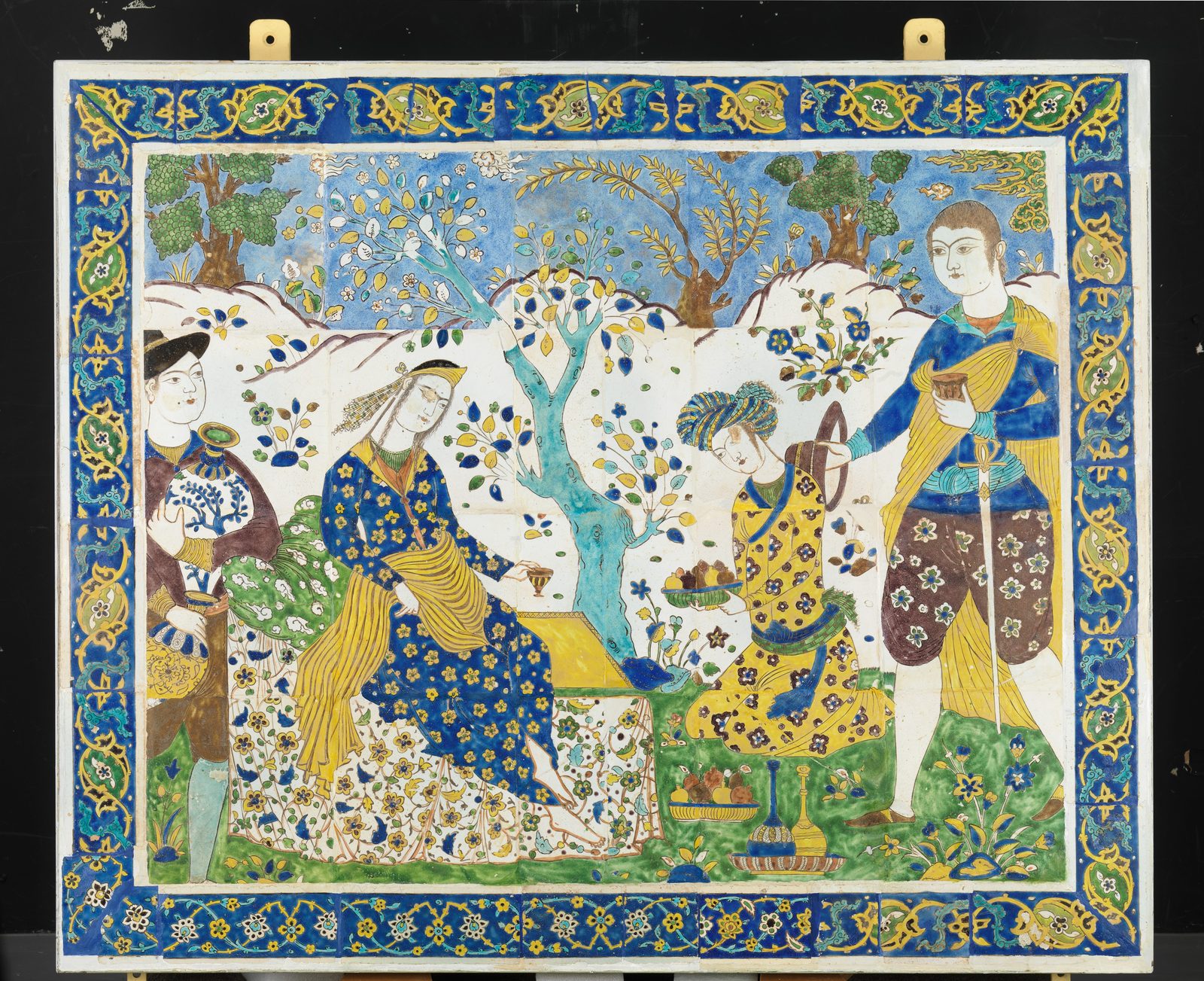
明 · 中东/西亚 · 本土. Safavid tile panel; regional West Asian surface/palette system and hub role.
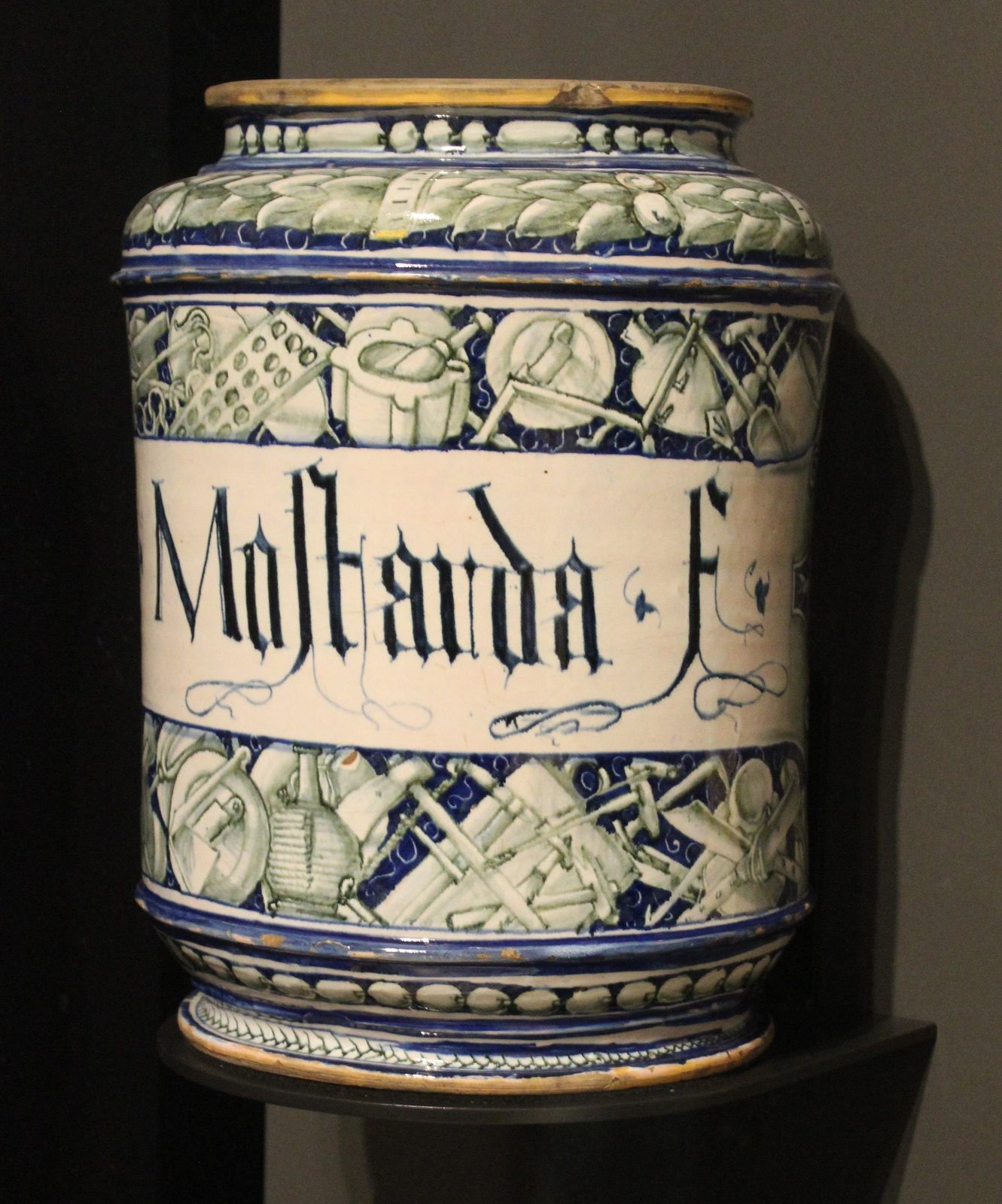
明 · 欧洲 · 本土/input. Maiolica drug jar; European ceramic baseline before/alongside intensified porcelain imitation.
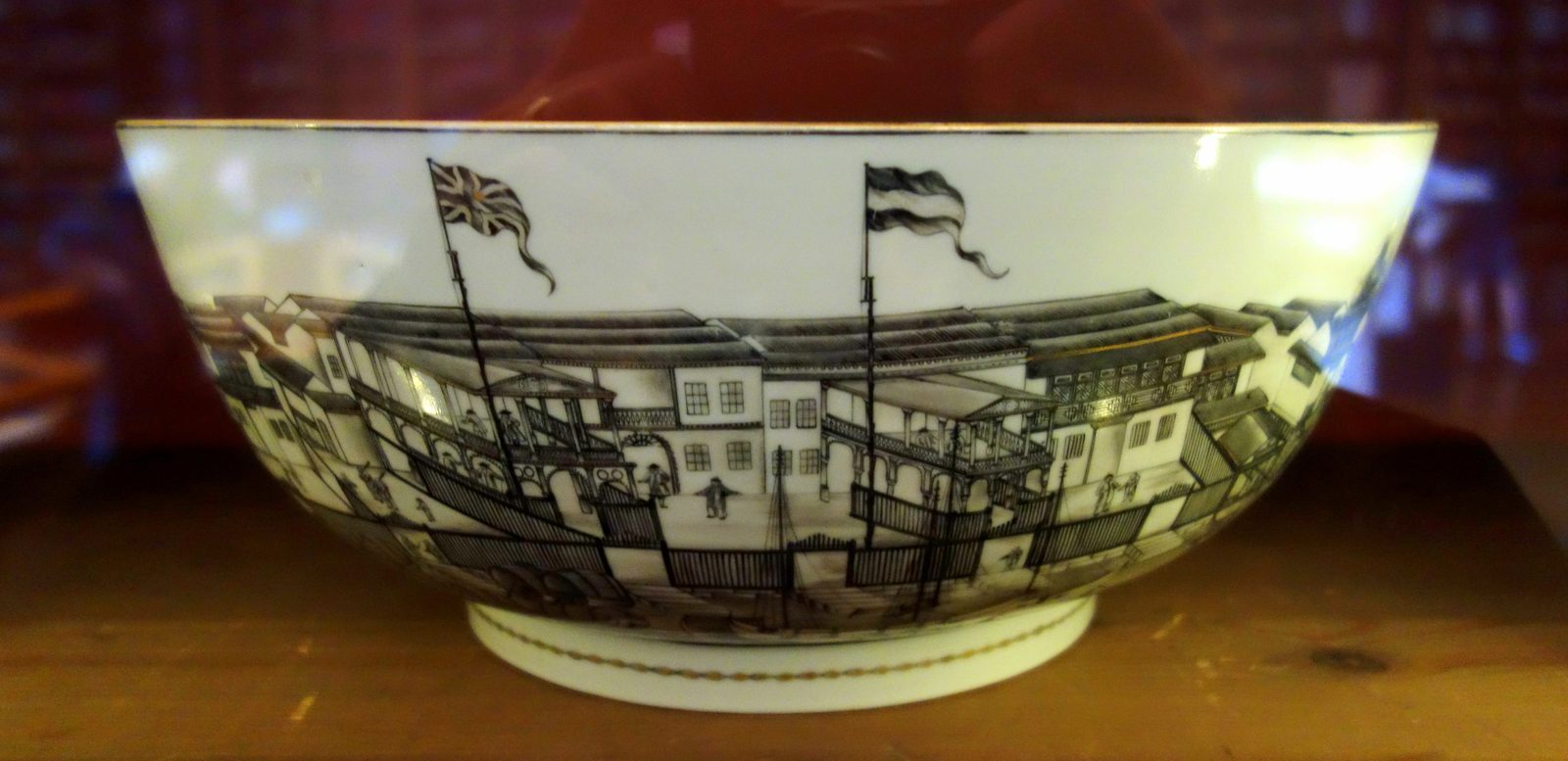
清 · 中国 · 输出 to Europe. Canton punch bowl; Qing output-to-Europe and Guangzhou/Canton system case.
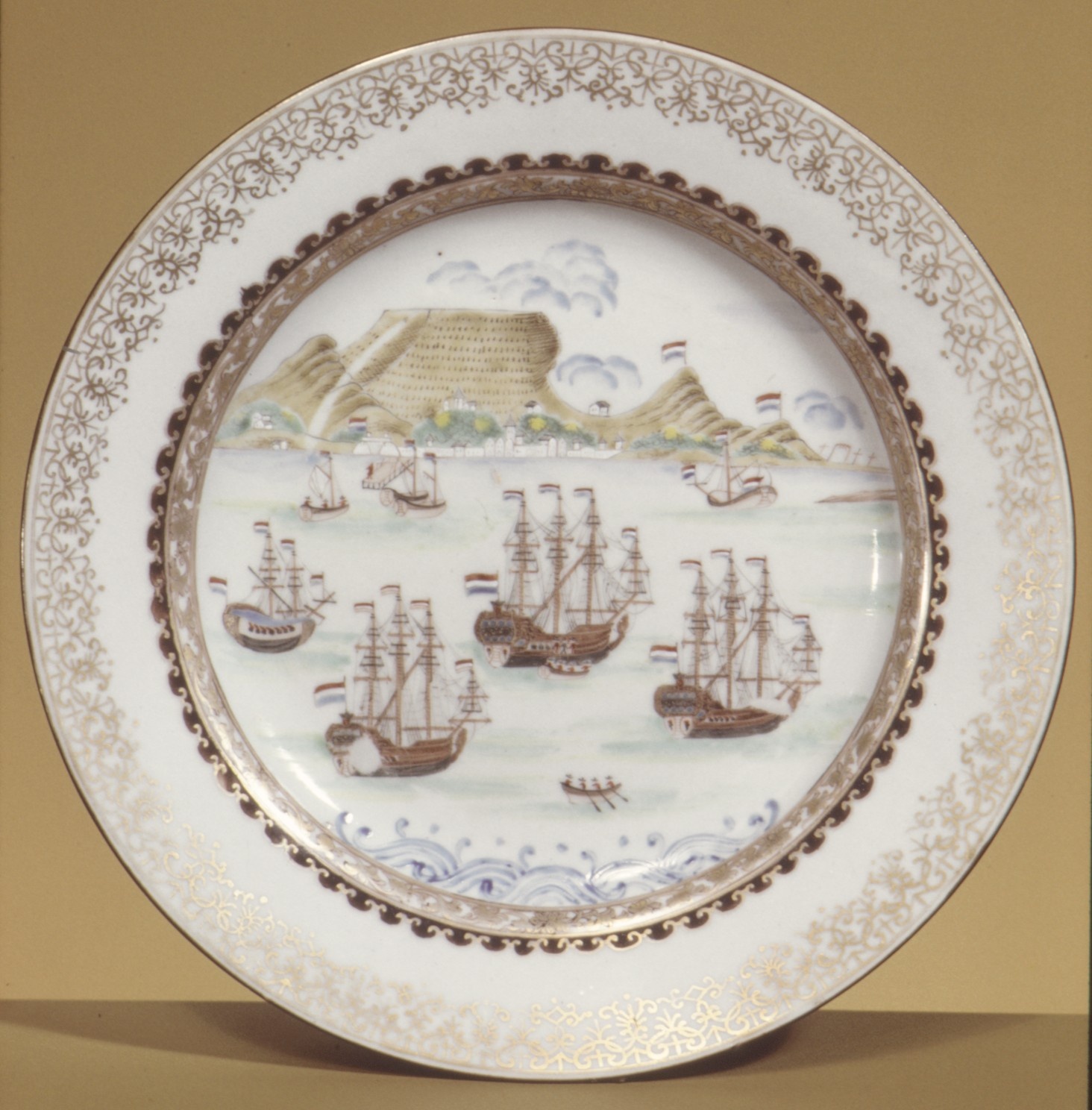
清 · 中国 · input from Europe. Dutch-market plate; Qing Europe-facing customization and input/output feedback.
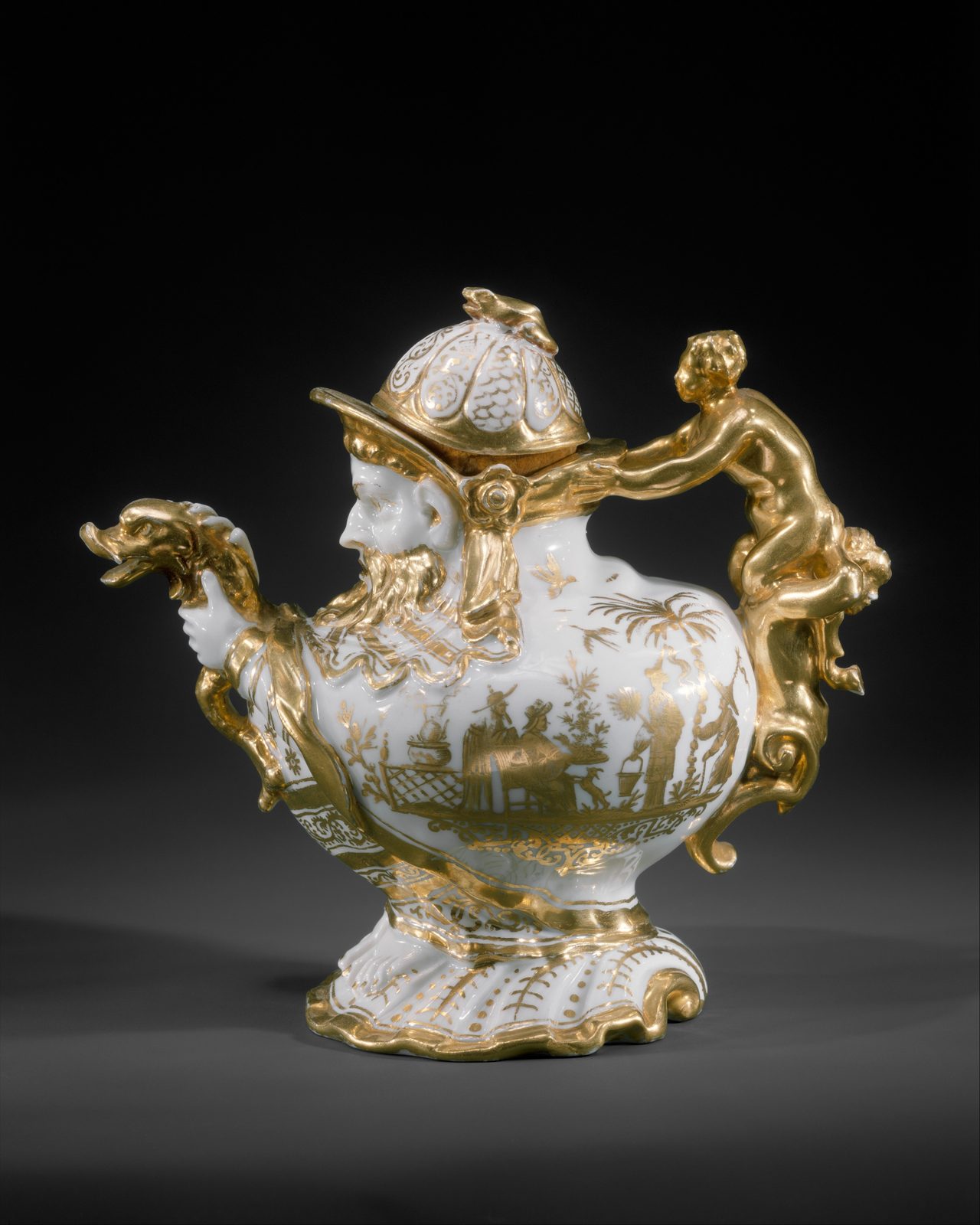
清 · 欧洲 · input from China/local reinterpretation. Meissen teapot; European hard-paste porcelain continues China-referencing, input-driven pattern.
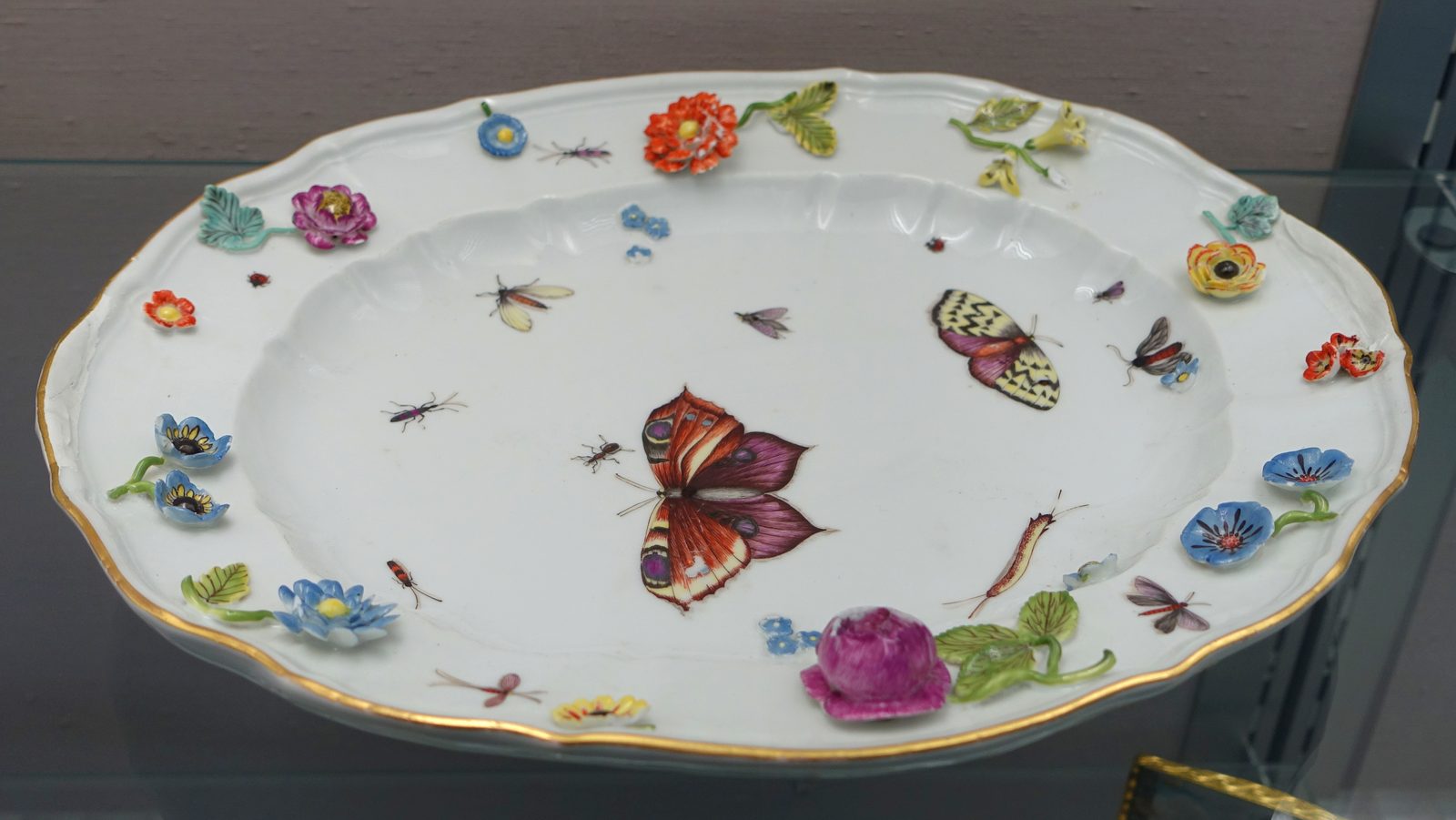
清 · 欧洲 · input/local reinterpretation. Meissen tureen; featured case for hybrid European form and China-referencing painted surface.
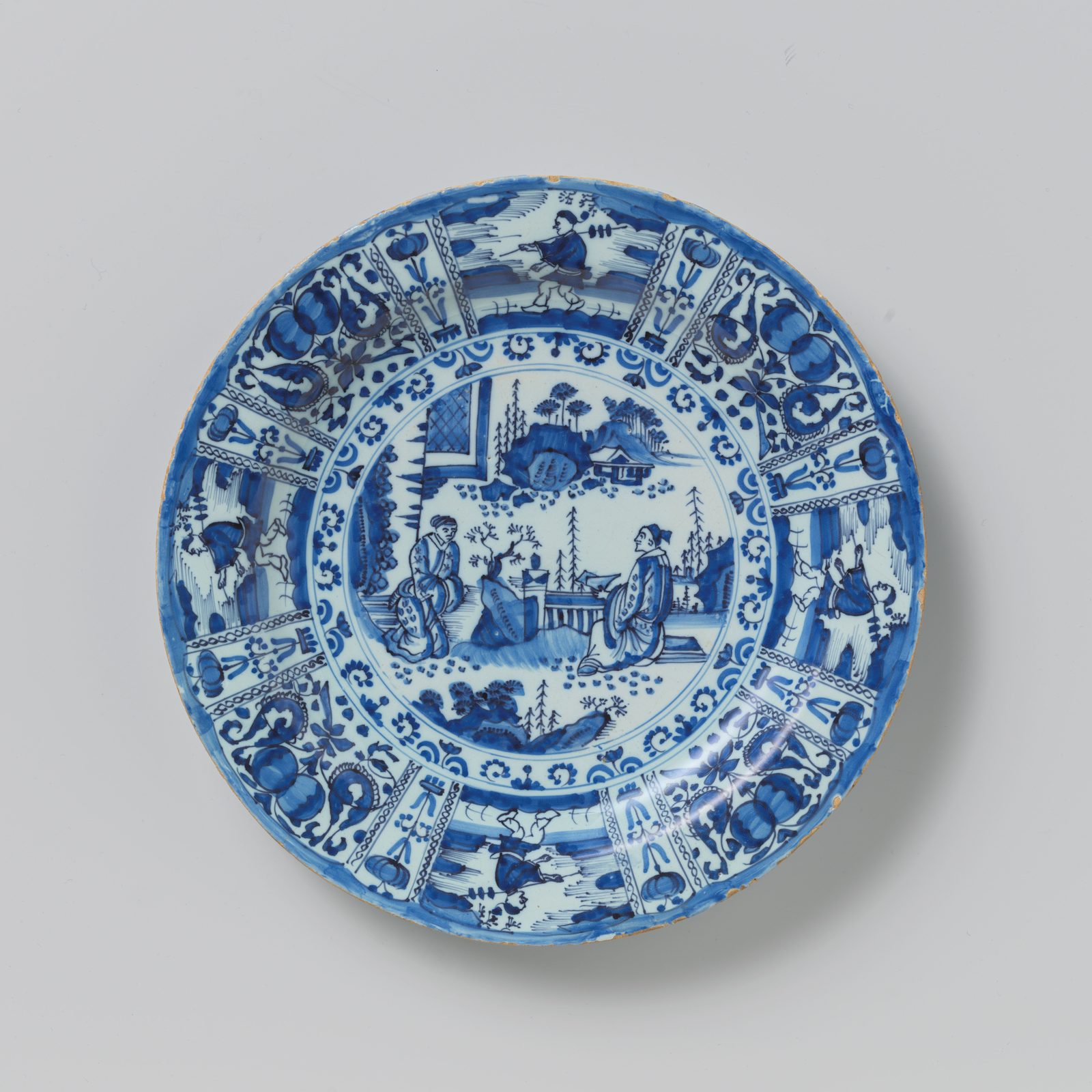
清 · 欧洲 · input/local imitation. Delftware plate; pseudo-Chinese blue-white signs and European reinterpretation.
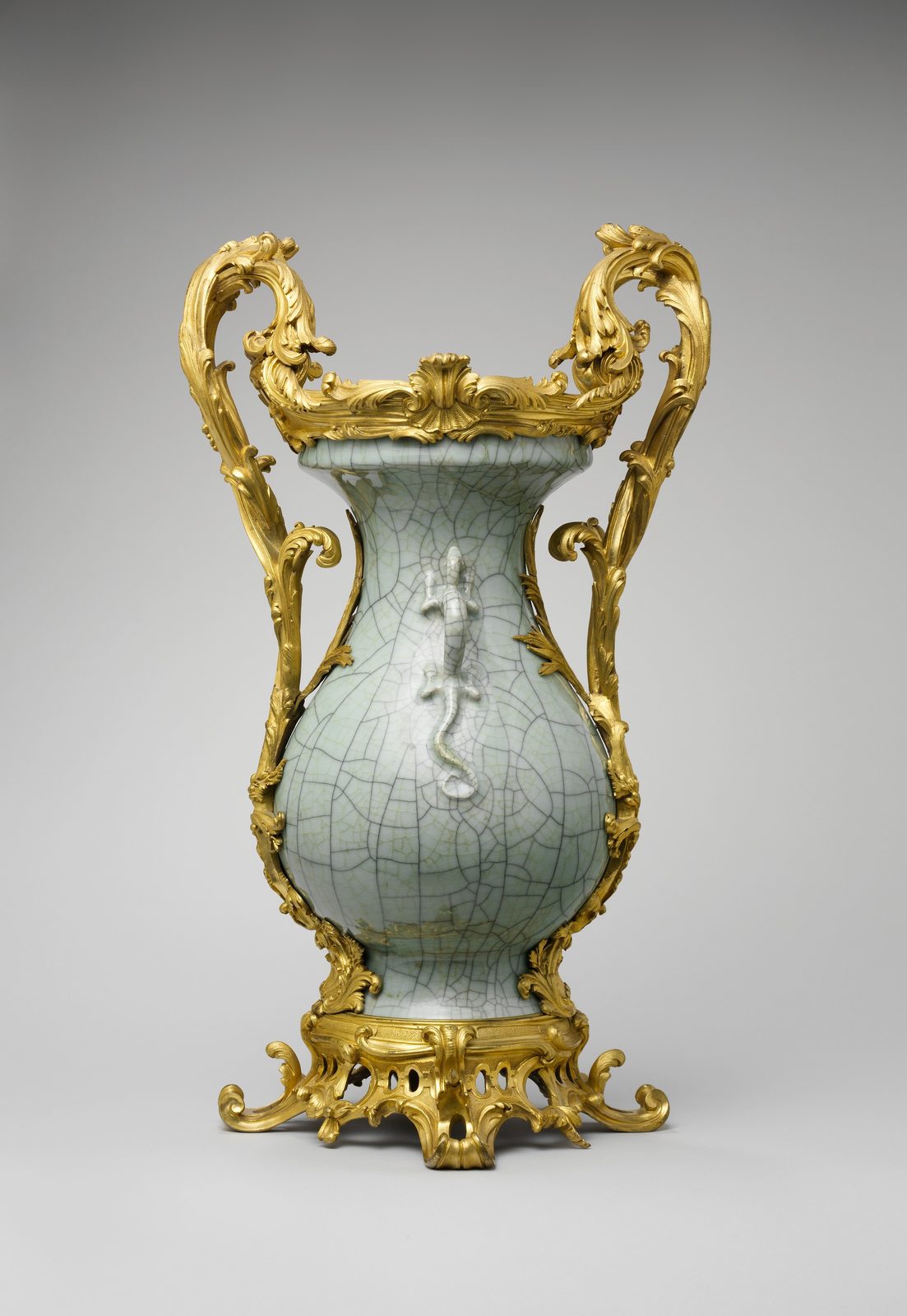
清 · 欧洲 · input/status adaptation. Met Qing/Europe-related thesis-table object; use for European input/status-display comparison.
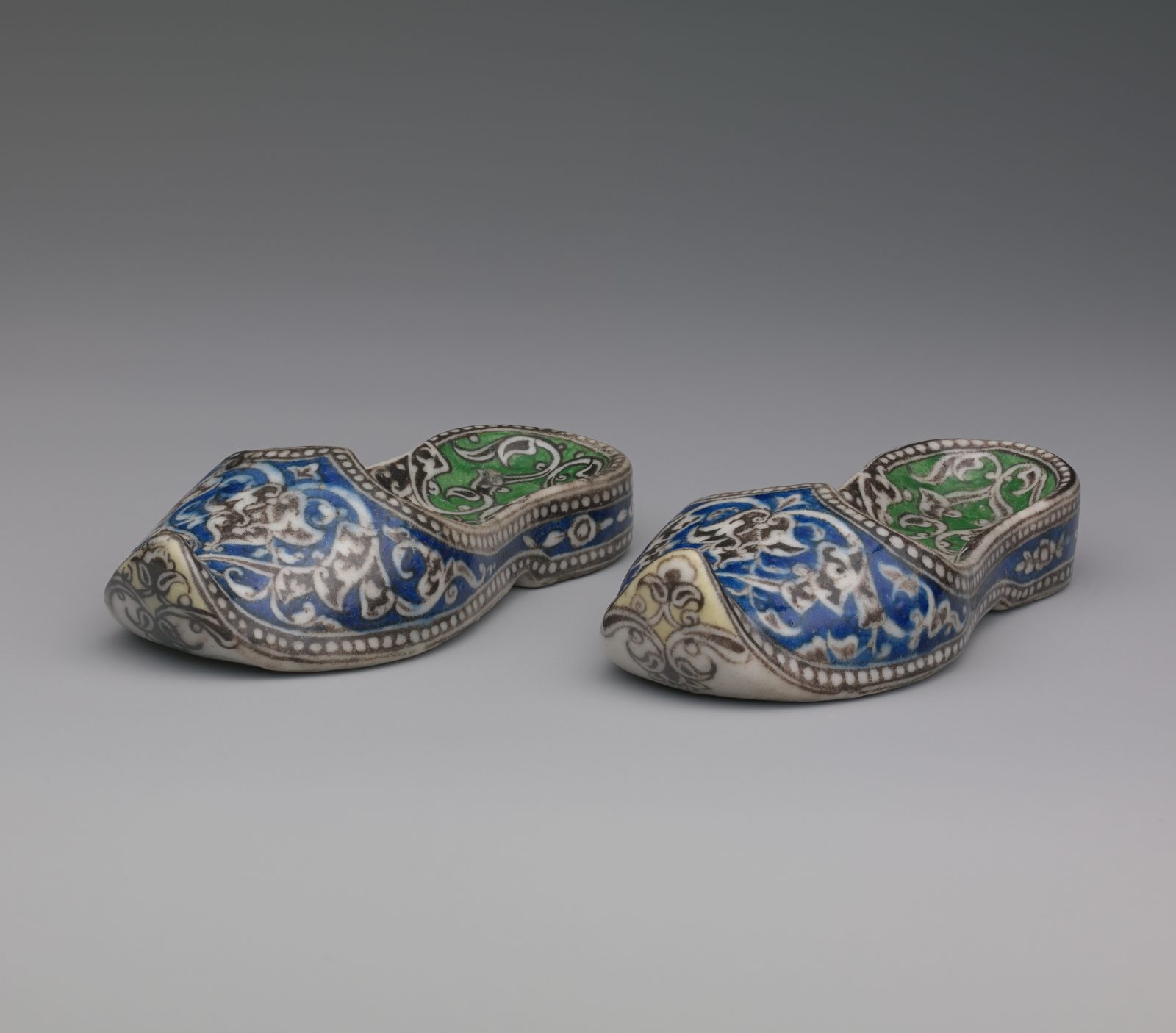
清 · 中东/西亚 · declining hub/input. Qing-era West Asian comparative object; supports declining-intermediary/hub contrast.
5D Interactive Matrix
The Ming-Qing matrix now displays 18 objects: two periods, three regions, and three roles. Each horizontal row is one region within one period, ordered as Local, Input, and Output so that cross-regional ceramic fusion can be compared without reducing it to a single one-way route.
Local
 5D lens
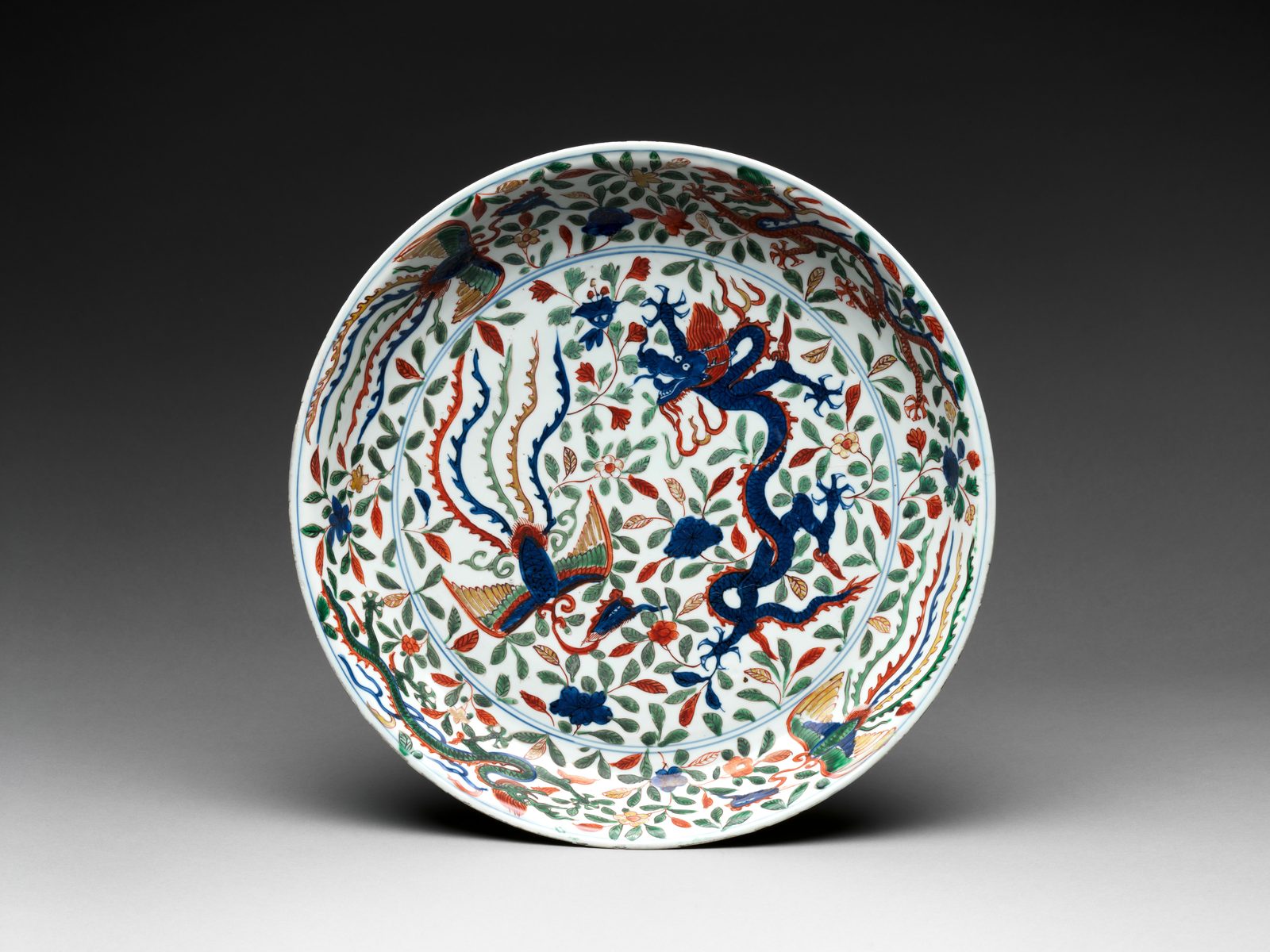
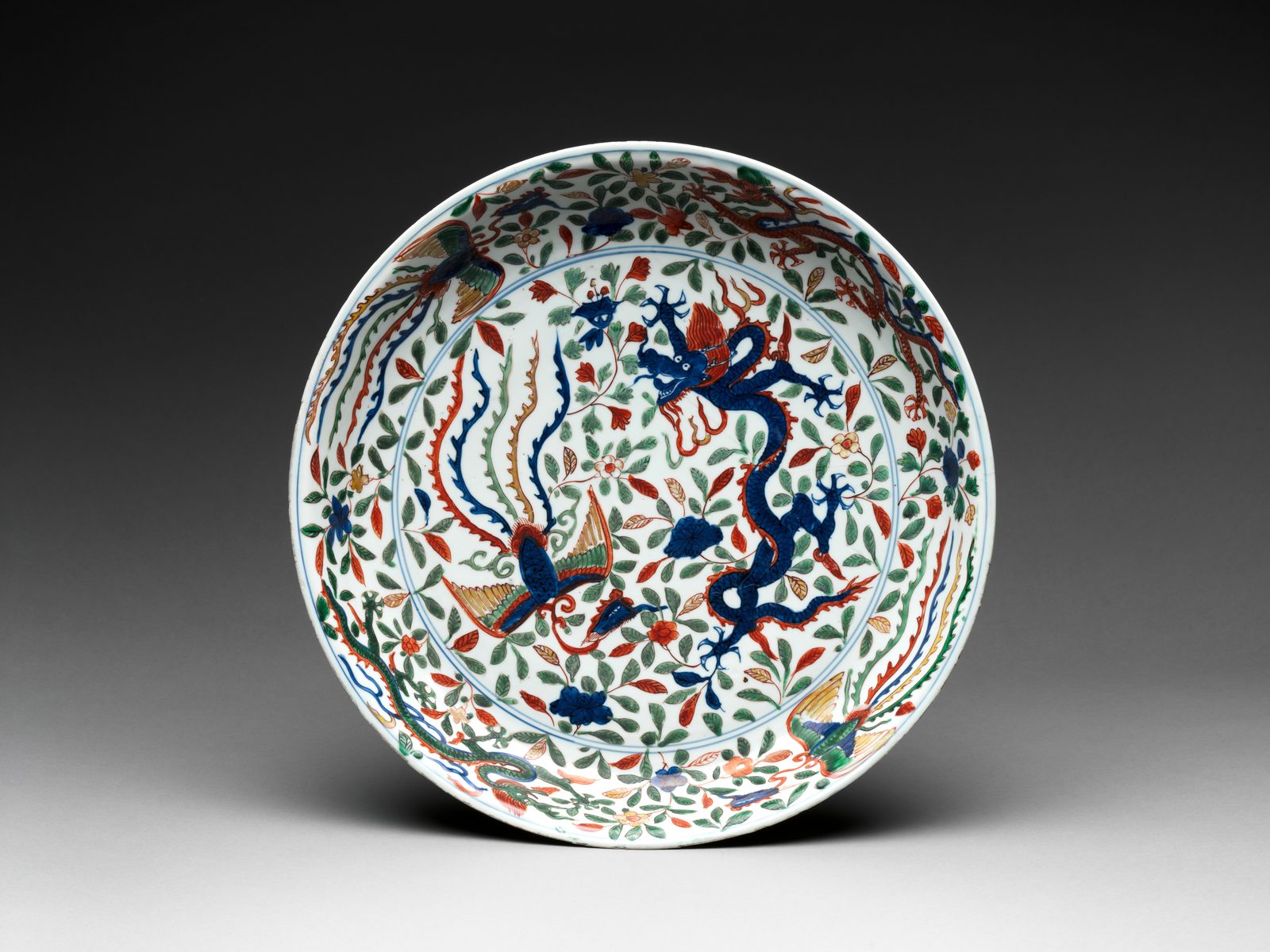
Ming Jingdezhen blue-and-white dragon and phoenix dish. A patterned China local baseline: imperial dragon-and-phoenix imagery anchors the visual grammar of Ming Chinese porcelain before outside forms are compared.
Input
5D lensYongle moon flask with Islamic metalwork form input. A China input case: an Islamic metalwork-derived vessel form translated through Jingdezhen blue-and-white technology.
Output
 5D lens
Fahua jar with peafowl moving through maritime networks. A China output case: high-color Ming ceramic design made legible for elite circulation across maritime exchange networks.
Local
5D lensSafavid Persian architectural tile panel tradition. A regional local anchor: architectural glaze, turquoise-cobalt color, and Persian surface rhythm show an independent West Asian ceramic system.
Input
5D lensOttoman Iznik dish absorbing Chinese blue-and-white design input. A Middle East / West Asia input case: Chinese blue-and-white cues are absorbed into Ottoman floral brushwork and color structure.
Output
 5D lens
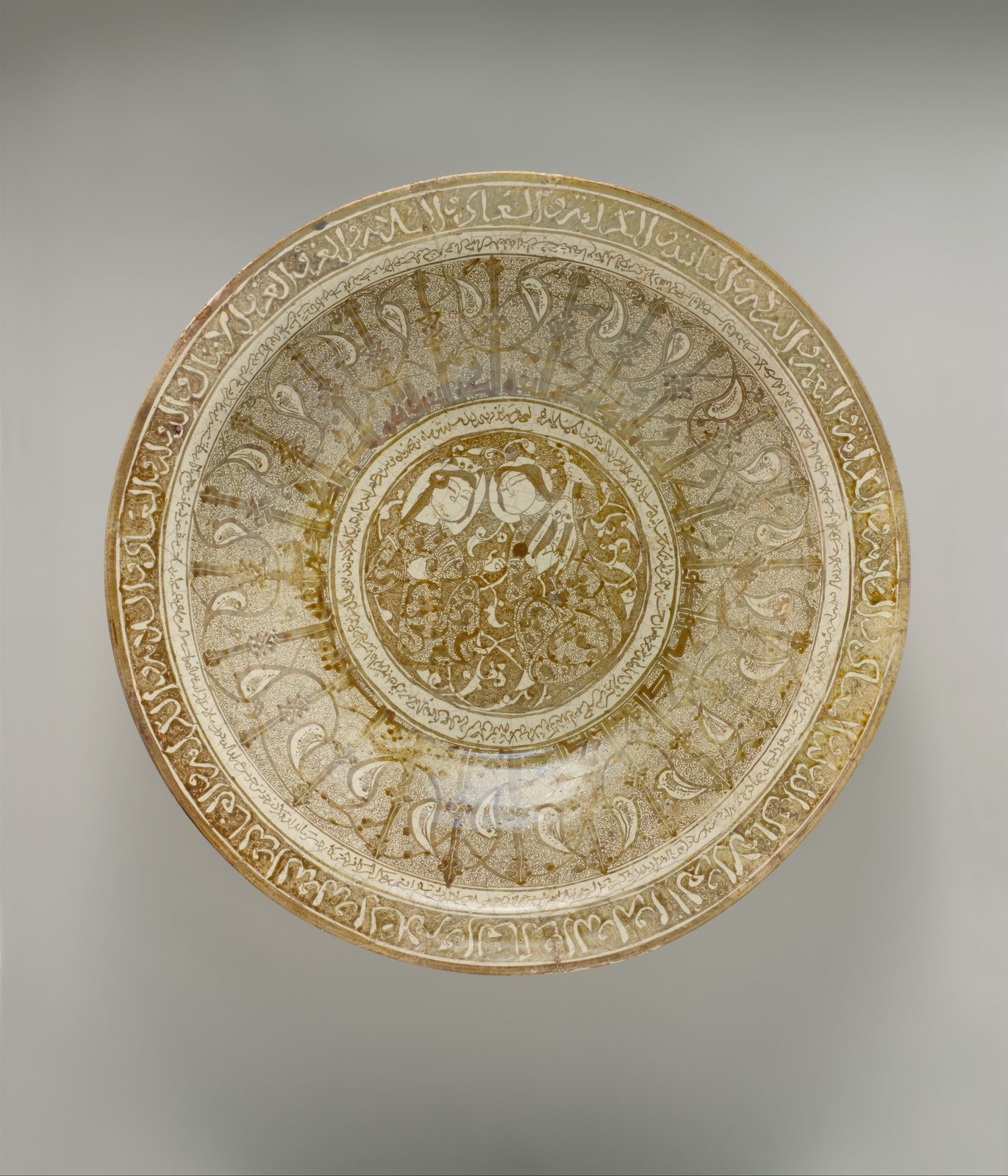
West Asian fritware moving outward through collection and trade. A Middle East / West Asia output case: regional fritware visual language circulates outward while keeping its local decorative order.
Local
5D lensItalian Renaissance tin-glazed maiolica. A European local baseline: pharmacy function, tin glaze, and Renaissance surface culture before porcelain remaking becomes dominant.
Input
 5D lens
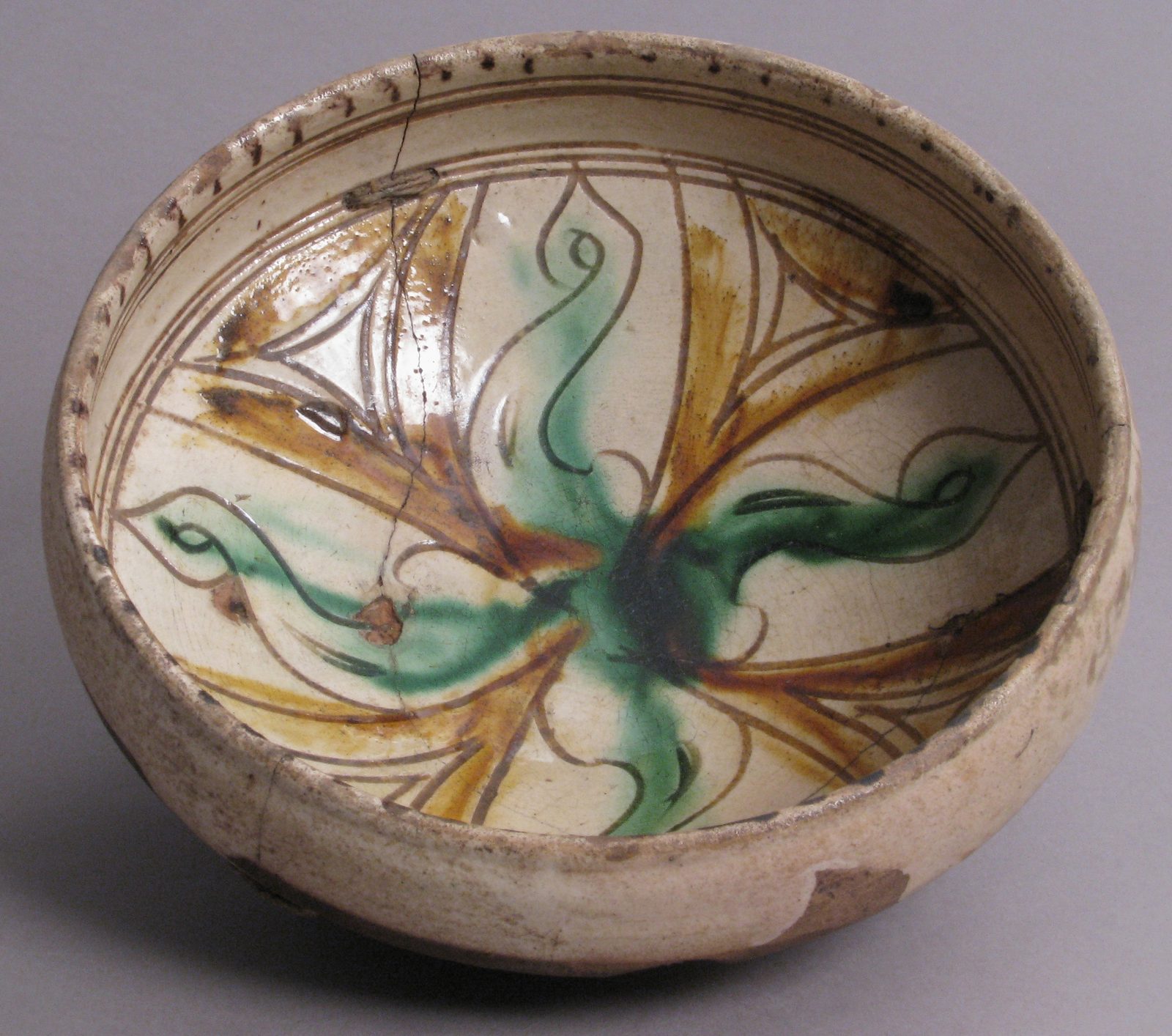
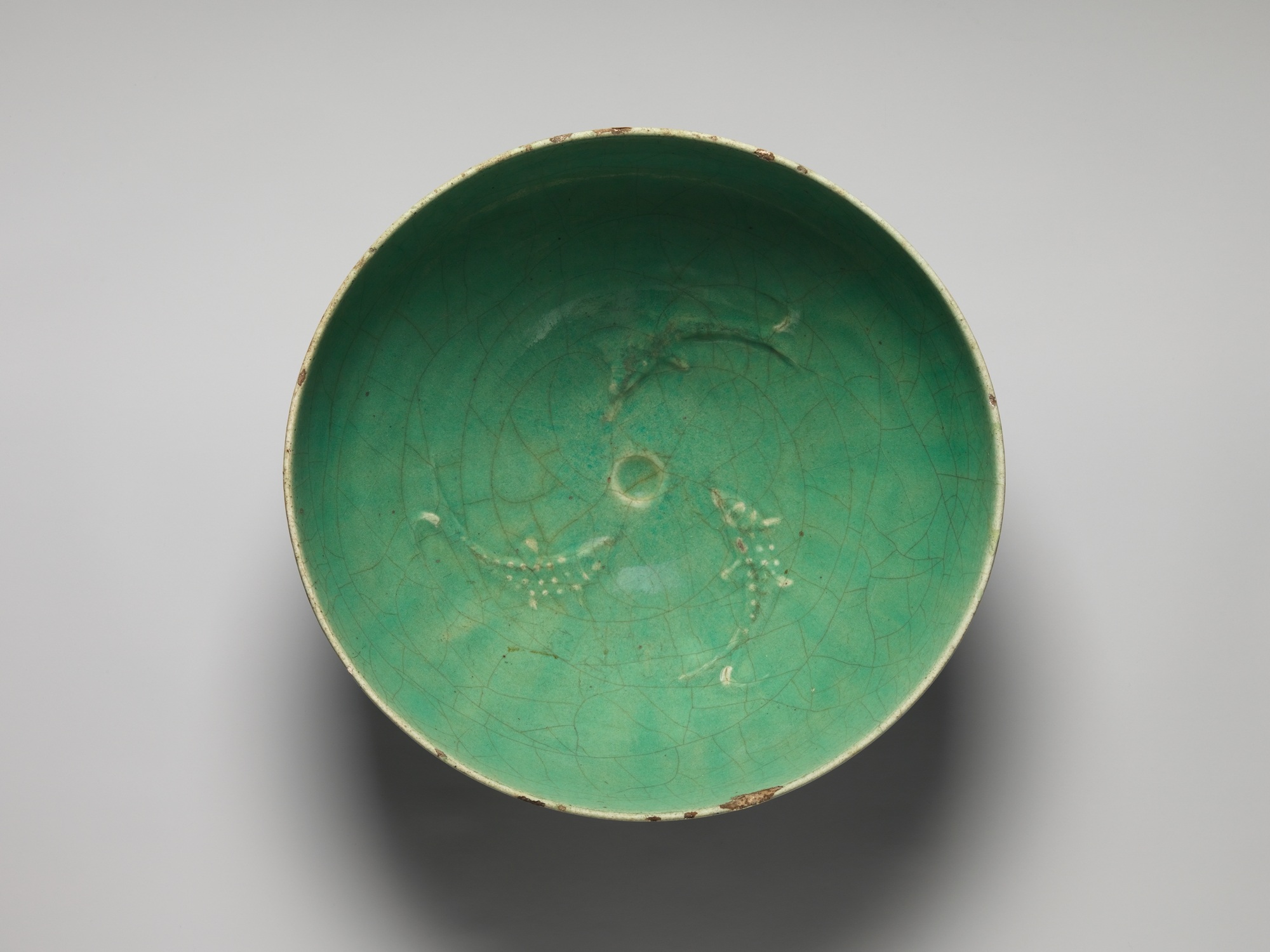
Glazed bowl showing early eastern design input. A Europe input case: an early glazed bowl reveals how eastern materials and decorative ideas entered European ceramic language.
Output
 5D lens
European local earthenware circulated in regional output networks. A Europe output case: local clayware and vessel habits move through regional markets before the hard-paste porcelain breakthrough.
Local
 5D lens
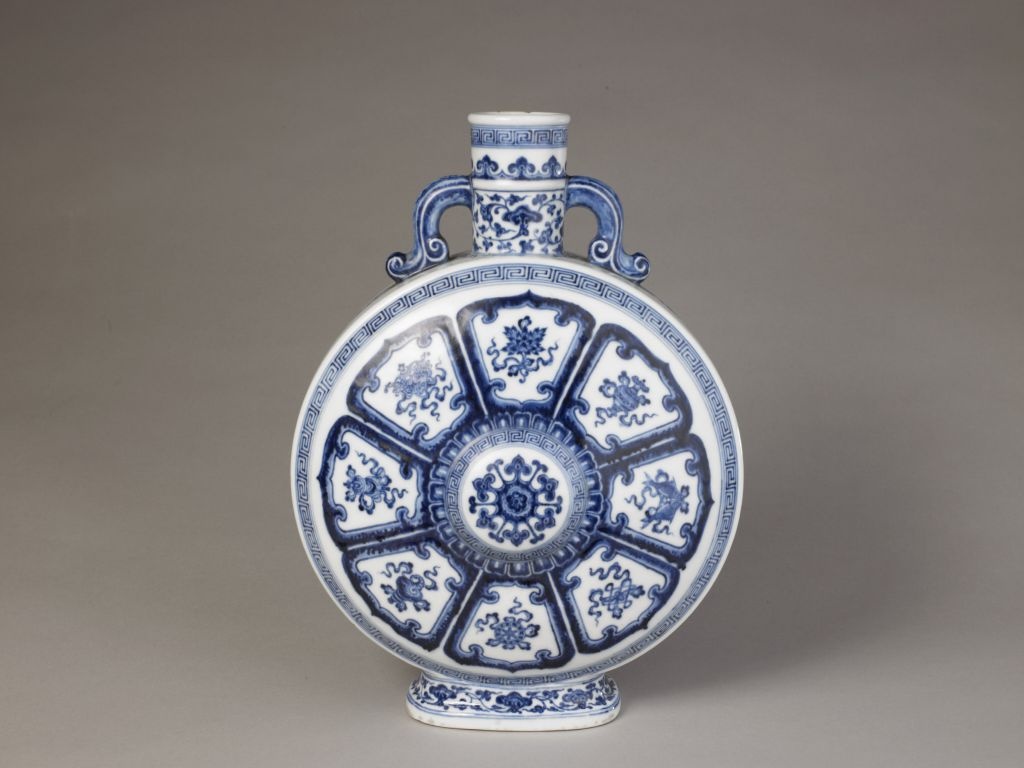
Qing Baoyue vase with Eight Buddhist Treasures pattern. A patterned Qing China local anchor: imperial blue-and-white vocabulary and Buddhist treasure motifs show local court visual order.
Input
 5D lens
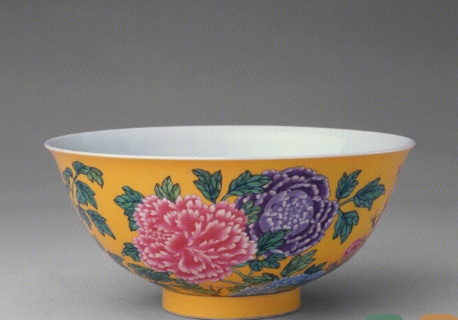
Falangcai bowl absorbing European enamel technology. A China input case: European enamel materials and techniques enter Qing imperial kilns and become a refined court surface.
Output
5D lensCanton punch bowl adapted for Western markets. A China output case: Canton-system porcelain adapts Chinese workmanship for Western social use and a strengthened China-Europe axis.
Local
5D lensLate Ottoman-period local glazed pottery tradition. A Qing-period Middle East / West Asia local anchor: regional glaze and pattern systems continue as the older hub role weakens.
Input
 5D lens
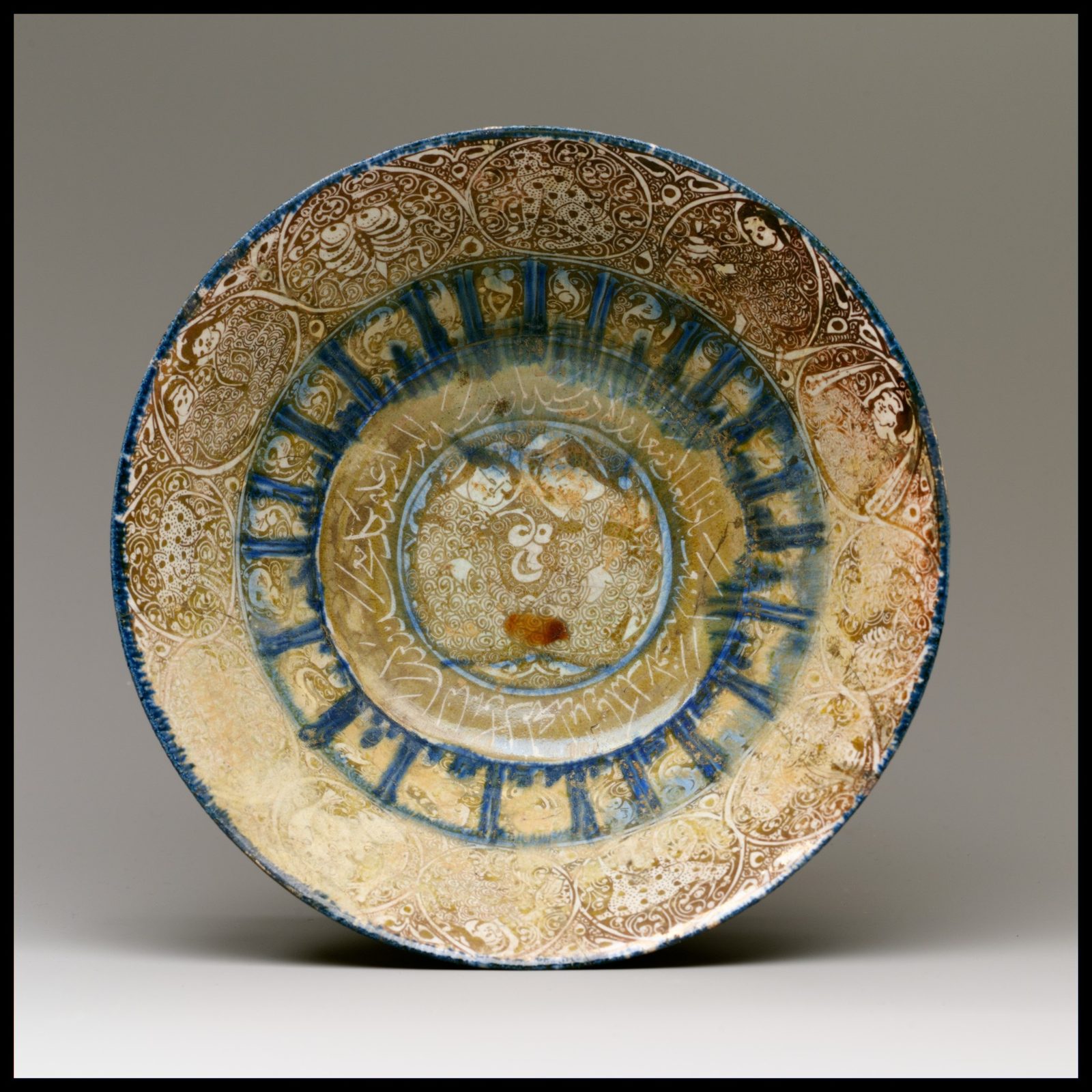
West Asian pottery with Chinese and European hybrid inputs. A Middle East / West Asia input case: Chinese porcelain styles and European decorative signals combine in a composite local object.
Output
 5D lens
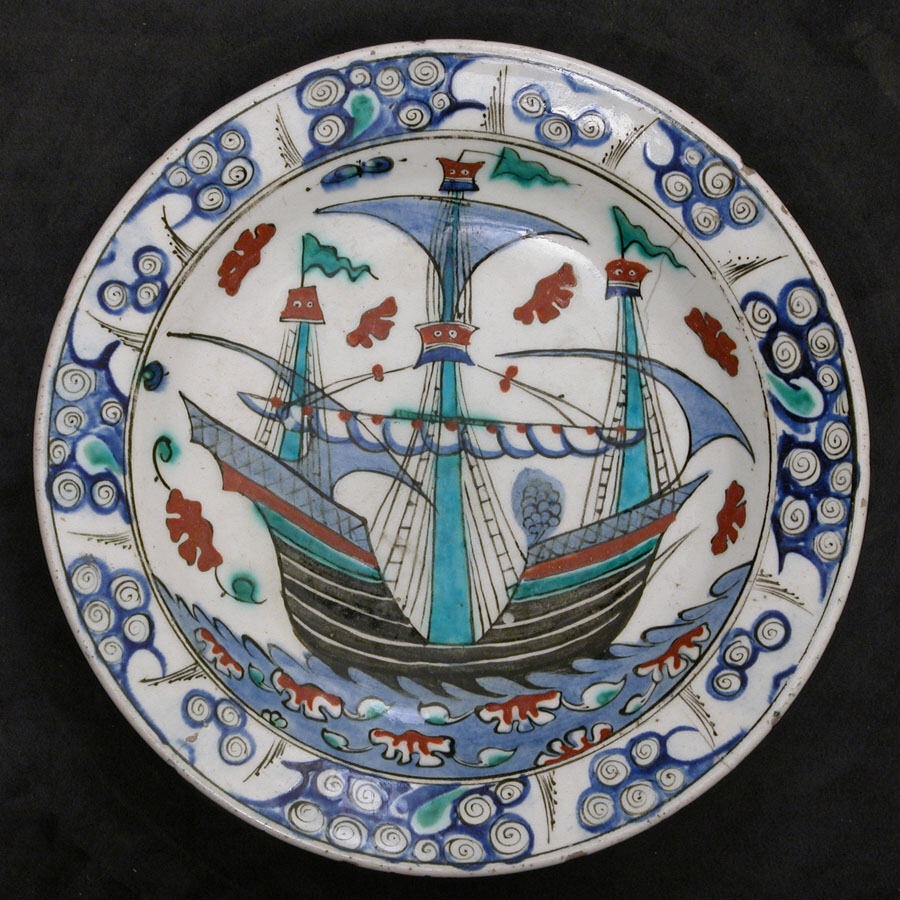
Iznik sailing-ship dish moving into European collections. A Middle East / West Asia output case: Ottoman maritime imagery projects regional identity outward through collecting and exchange.
Local
5D lensMeissen porcelain representing local European hard-paste standards. A Europe local anchor: mature hard-paste porcelain shows Europe building its own ceramic standard after technical transfer.
Input
5D lensMeissen teapot absorbing Chinese cobalt painting and design input. A Europe input case: Chinese technology, imagery, and prestige reshape European court ceramics through hard-paste innovation.
Output
5D lensDutch Delftware with pseudo-Chinoiserie signs output globally. A Europe output case: China-referencing blue-and-white signs become a European product that can circulate outward again.
Most ceramic histories follow one route. This project compares China, Middle East / West Asia, and Europe side by side, then separates output objects, input objects, and local or local-absorption samples.
Native workshops internalize outside elements until they become local ceramic language.
Byzantine/European glazed bowl baseline.
Receivers collect, alter, mount, imitate, or reinterpret foreign ceramics and technologies.
Yuan-style blue-and-white dragon/phoenix dish; cobalt-color pivot linking China and Islamic material networks.
Makers adapt goods for outside markets and new systems of use.
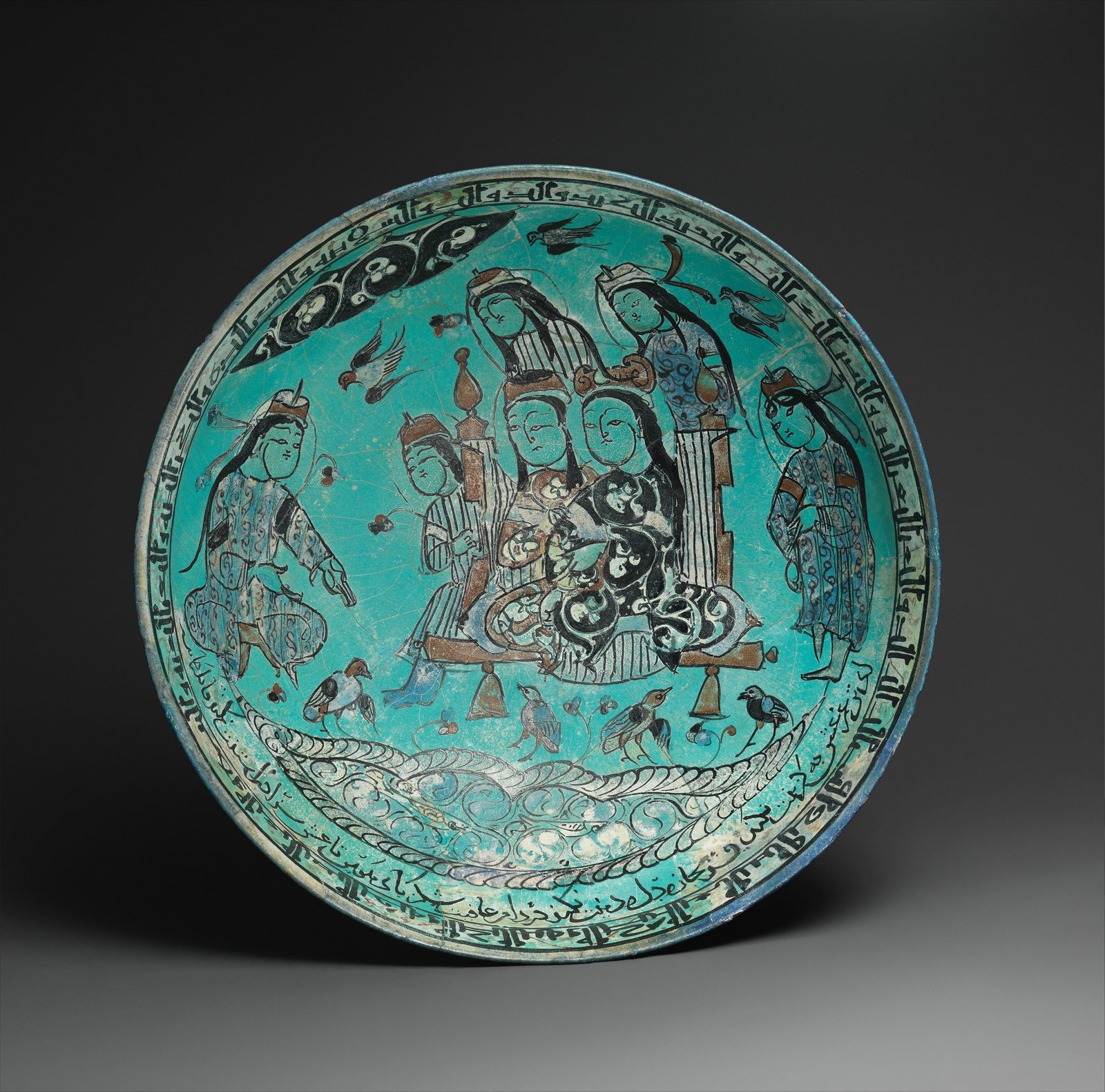
West Asian blue-and-white/fritware context from thesis sample table; use to compare input Chinese chromatic language.
Song ceramics establish a baseline of local refinement; Yuan exchange accelerates the material conditions for later fusion; Republic, modern, and contemporary ceramics reorganize heritage through reform, institutions, markets, and reflective global practice.
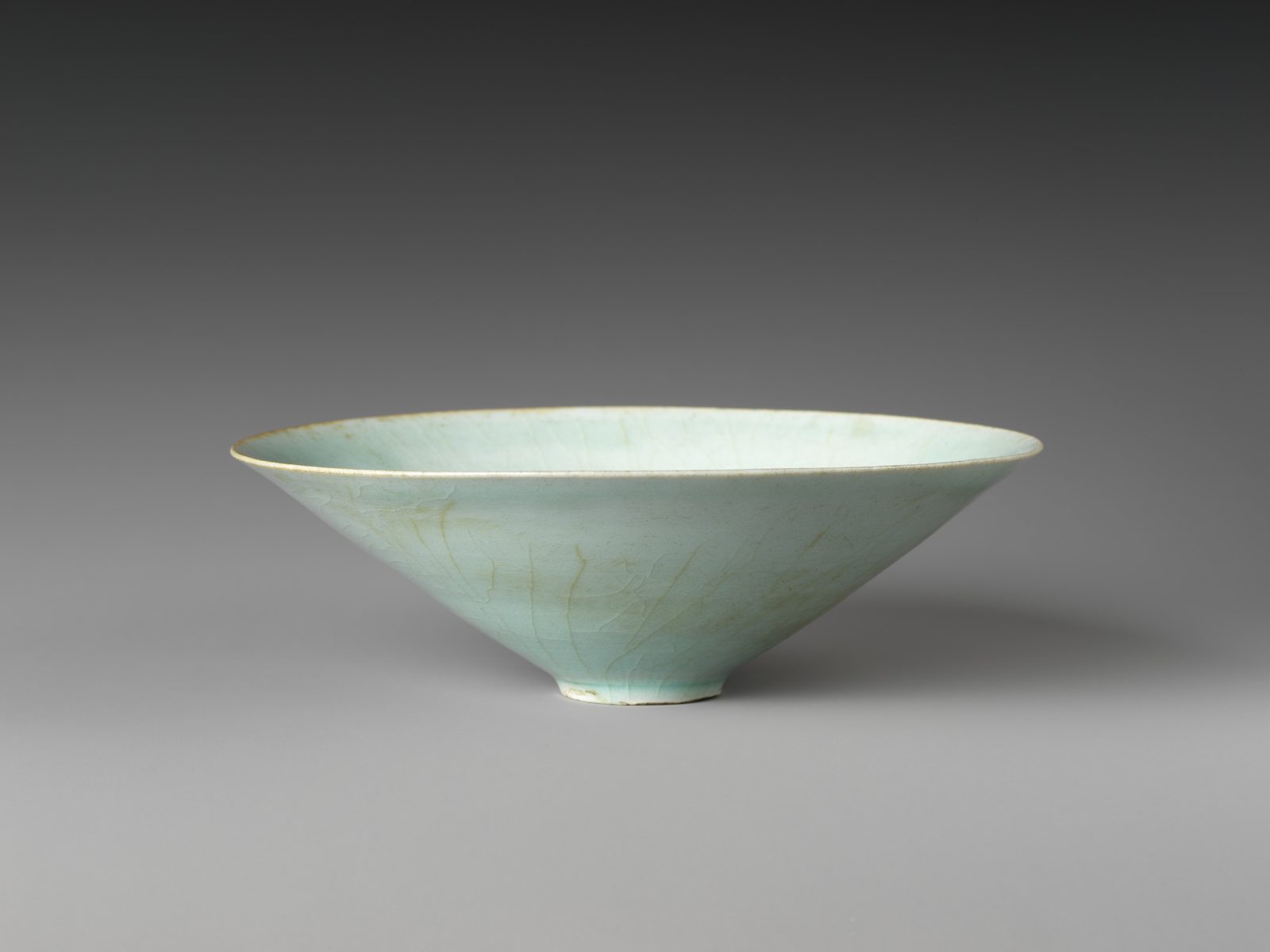
元 · 中东/西亚. Distinct West Asian ceramic object from Met sample table; supports regional intermediary narrative.
元 · 欧洲. European-facing early porcelain/ceramic contact object from thesis table.
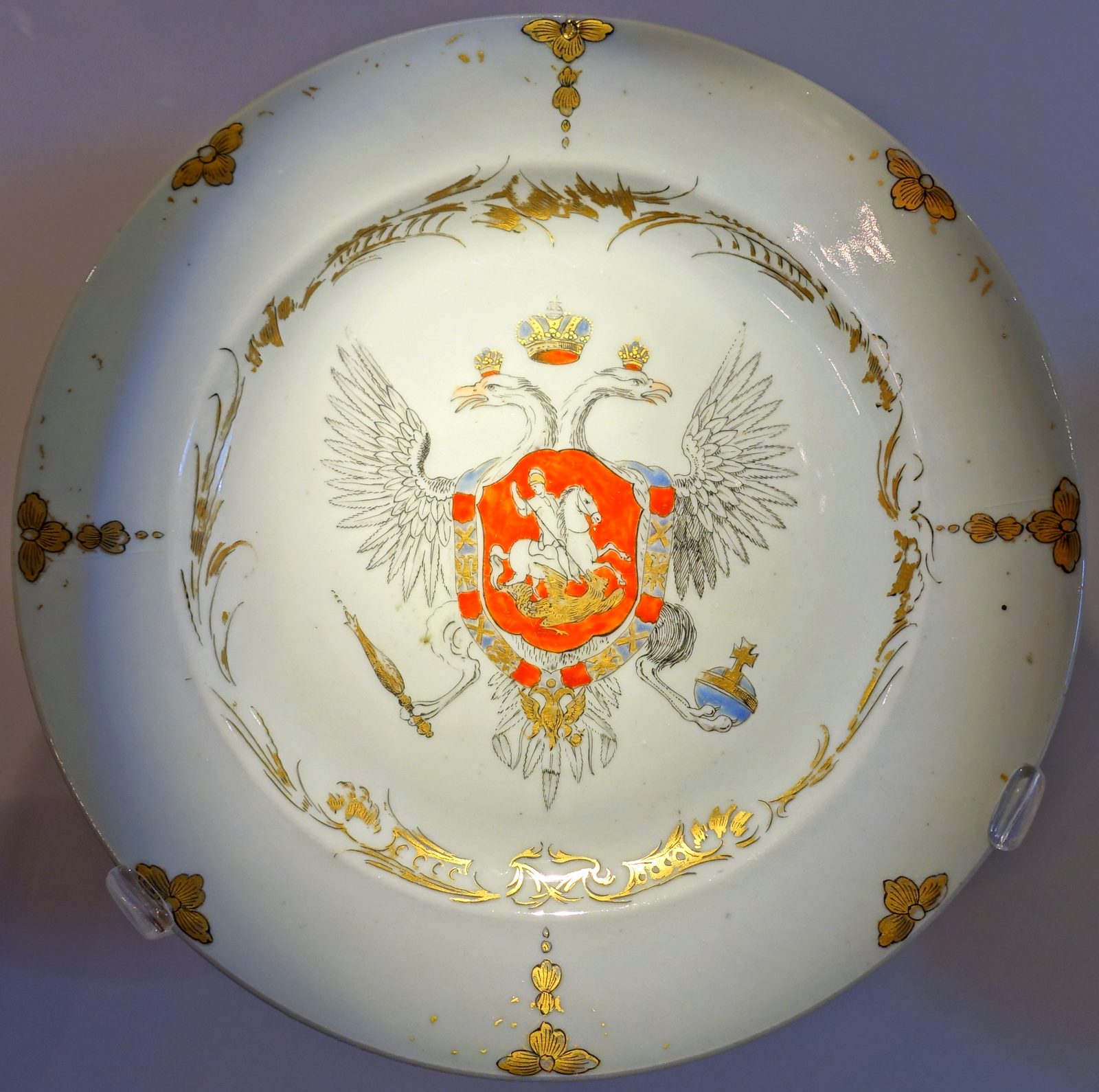
近代1840–1949 · 欧洲/俄罗斯. Imperial armorial plate; 19th-century European/Russian status display and output-memory visual language.
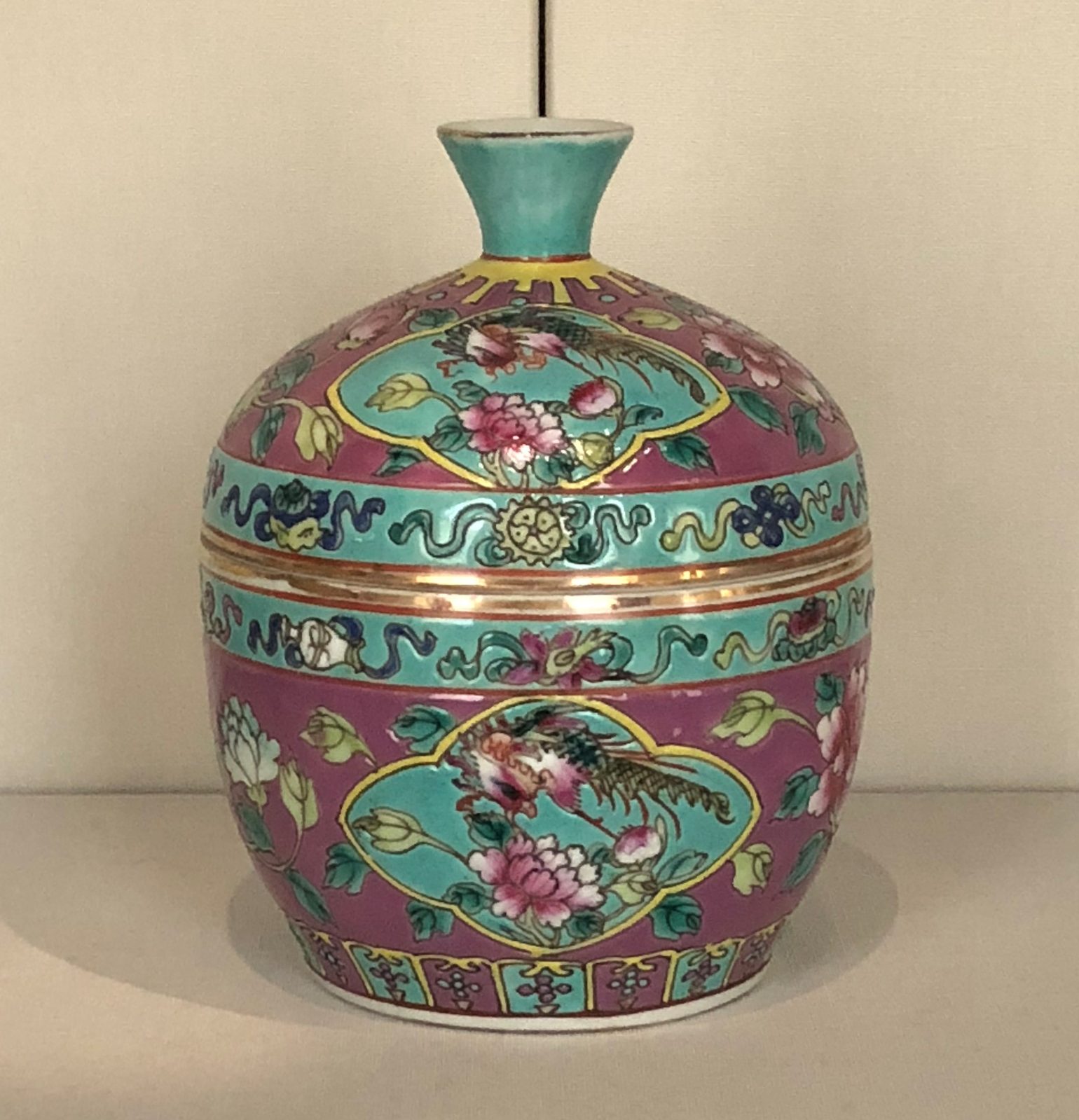
近代1840–1949 · 中国. Republic-period Chinese porcelain/literati-market transition; site-local high-res image, source metadata less explicit than museum anchors.
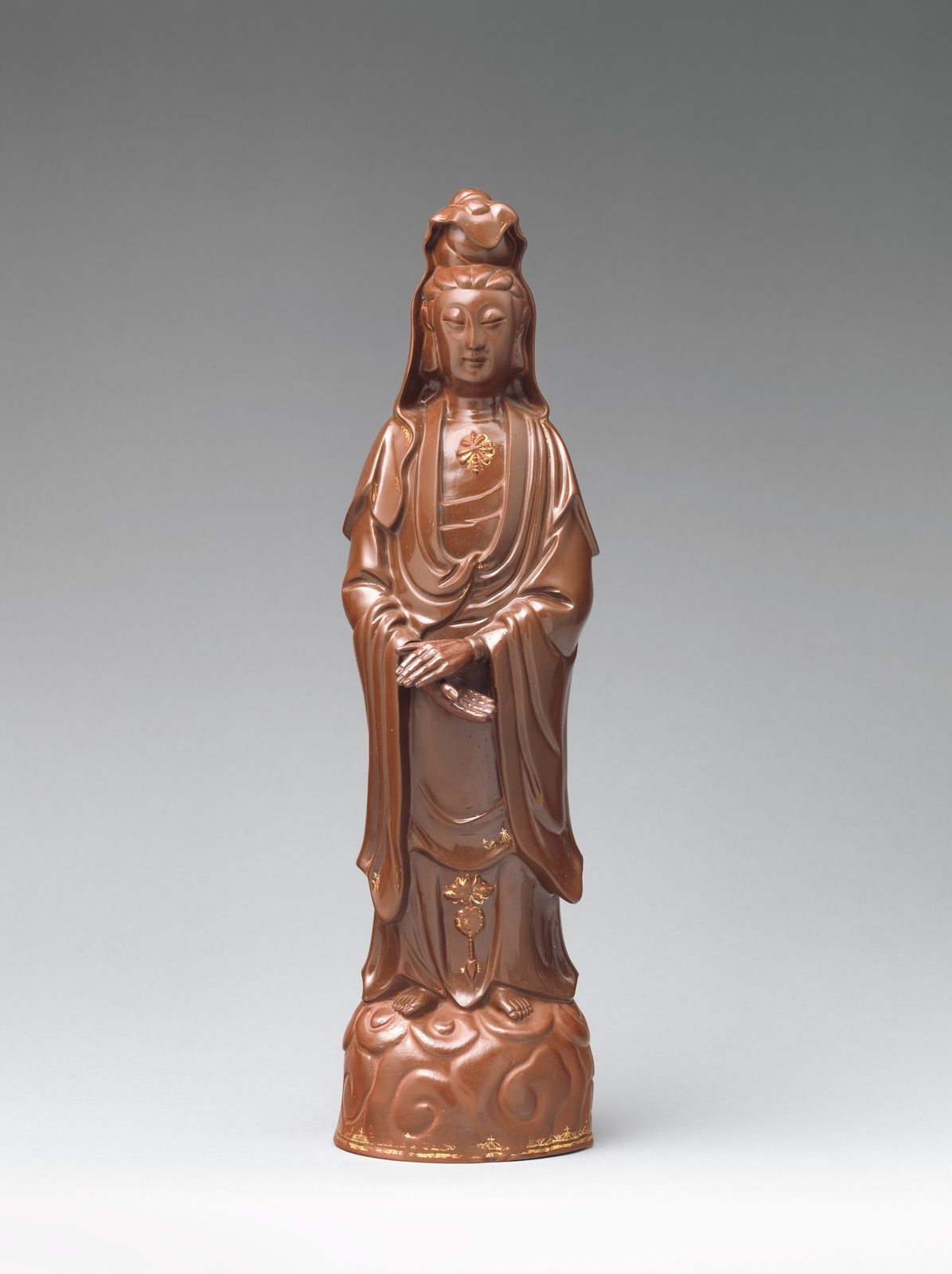
现代前期1949–1980 · 中国. Modern/late thesis-table Met object; use as post-Qing heritage/style continuation if needed.
现代后期1980–至今 · 中国/全球. Contemporary/late thesis-table object; use cautiously for reflective/globalized fusion section.
Expanded L8 Findings
Authentic Chapter 8 evidence is reorganized into a clean admissions-facing argument: all conclusions and explanation stay in the left column, while all visual evidence appears separately in the right column.
Across the Ming-to-Qing transition, ceramic cultural exchange did not simply grow along one continuous line. The pattern changed structurally: the Ming network centered on Middle East / West Asia links, while the Qing network shifted toward a direct China-Europe axis.
Network restructuringThe Qing pattern shows two linked changes: China-Europe exchange strengthened, while the Middle East / West Asia intermediary position weakened. These are two sides of the same network shift, not separate coincidences.
Direct axis replaces relayIn the Ming dataset, three regional relationships were “double-saturated.” By the Qing, all three had disappeared, replaced by a more mixed structure of absorption, input-driven exchange, and near-equal relations.
Relationship pattern shiftThe thesis treats the Ming Gap as a central explanatory variable. The Ming period combines a long maritime-ban rupture (1368-1567) with a later export surge after the 1567 reopening, so its scores should not be read as a smooth export peak.
Historical cautionThe largest increases occur in China receiving Europe (+4.6), the Middle East / West Asia receiving Europe (+3.5), and China exporting to Europe (+3.1). The largest decreases occur where Middle East / West Asia mediation weakens: China receiving Middle East / West Asia (-3.0) and Europe receiving Middle East / West Asia (-2.6).
Delta evidenceEven while export and import channels changed sharply, the strongest forms of local absorption remained stable. Once local fusion is embedded in materials, vessel forms, and decorative grammar, it can persist across periods.
Stable local absorptionThe five-dimensional method is not just a scoring tool. It shows that Europe, the Middle East / West Asia, and China absorbed and transformed ceramic influence through different dominant dimensions.
5D research designEurope is input-driven: it physically and imaginatively reworked imported porcelain. The Middle East / West Asia is absorption-based: color and function became embedded in an aesthetic system. China shows absorption and movement toward parity as imported color materials and Islamic vessel forms were internalized into a Chinese system.
Regional behavior labels“What began as a childhood question became a way of reading the world through objects. I learned that a ceramic bowl is never only a bowl: it can be a mineral route, an imperial preference, a market calculation, a religious echo, or a misunderstanding made beautiful. The project taught me to treat beauty not as decoration, but as evidence.”
ZIYANG XU
Independent Researcher | Focus on Ming–Qing Ceramic Exchange